

World Football Day: Celebrating Global Unity, History, and Ultimate Passion
In Brief About Topic World Football Day

About This Post: World Football Day celebrates the incredible power of football to break barriers, bridge cultures, and unite humanity across continents ( World Football Day ) . Published on GenZ Mirror, this comprehensive article explores the deep historical roots of May 25, officially recognized by the United Nations to mark the centenary of the historic 1924 international football tournament. We dive into the game’s evolution from ancient rituals to fast-paced modern tactical systems. Ultimately, this post highlights how a simple leather ball inspires social change, health, and a shared global language, making it a definitive guide and a deeply inspiring read for every passionate football lover around the world today.
There is a unique, unyielding magic that blankets the earth whenever twenty-two players step onto a green pitch and a single whistle blows. For ninety minutes, geopolitical borders dissolve, cultural differences vanish, and billions of hearts beat to the exact same rhythm. Football is not just a sport; it is an international language, a global religion, and a profound cultural phenomenon.
Every year on May 25, fans across continents unite to celebrate World Football Day. This day serves as a powerful reminder of how a simple game can foster peace, inspire generations, and build communities. Let’s dive deep into the fascinating history, tactical evolution, and the undeniable emotional heartbeat of the beautiful game.















The Historic Significance: Why May 25?
While football has been played informally for generations, World Football Day holds a specific, prestigious place on the international calendar. The United Nations General Assembly officially passed a resolution declaring May 25 as World Football Day to commemorate a massive milestone in sports history.
On May 25, 1924, the first-ever international football tournament with representation from all regions took place during the Summer Olympic Games in Paris. It was a turning point where the world realized that football was no longer just a European or South American pastime—it belonged to the entire globe. By establishing this day, the UN highlights the sport’s role in promoting peace, development, and mutual respect among nations. To read more about the formal global impact of sports on peace, you can explore the United Nations International Days portal.
From Ancient Roots to Modern Pitch: The Evolution of Soccer
The game we worship today did not appear overnight. Its historical journey is a testament to humanity’s natural love for play.
The Ancient Foundations
Long before modern stadiums existed, ancient civilizations practiced their own versions of the sport. In ancient China, a military training game called Cuju involved kicking a leather ball into a net. Similarly, the ancient Greeks and Romans engaged in high-energy ball games that emphasized teamwork and physical endurance.
The Modern Blueprint
The modern iteration of football was formally structured in 1863 in England. The establishment of the Football Association (FA) drew a clear line between rugby and association football, banning the use of hands. This simple rule change transformed the sport into a game of pure skill, footwork, and strategy. In 1904, the founding of FIFA (Fédération Internationale de Football Association) catalyzed the sport into a global empire. For historical archives and official tournament timelines, check out the FIFA Official Website.
The Chessboard of Grass: Tactical Shifts Through Time




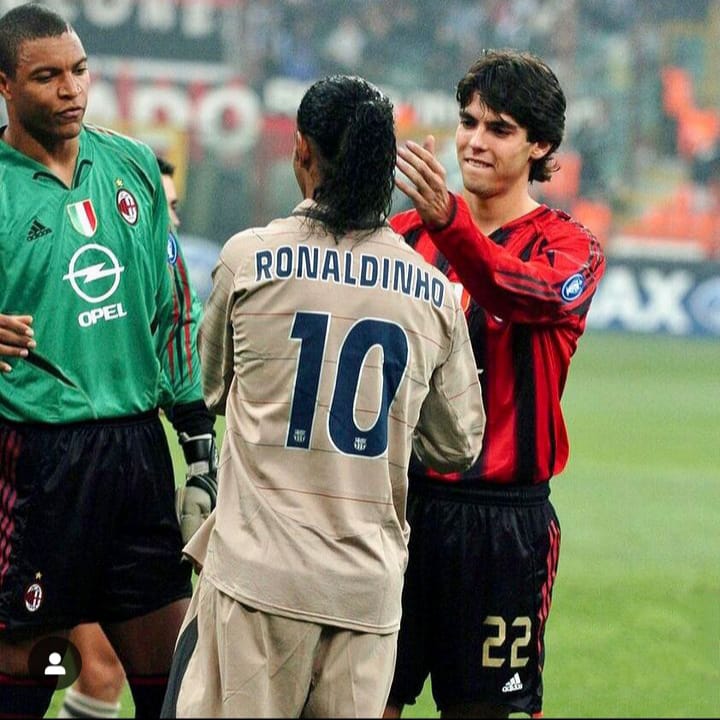
Football is as much an intellectual pursuit as it is a physical one. Over the decades, tactical innovations have completely redefined how the game is played and watched.
Ancient Formations (2-3-5) ──► Total Football (1970s) ──► Tiki-Taka (2010s) ──► Gegenpressing (Modern)
In the early mid-20th century, teams heavily favored attack, often deploying reckless 2-3-5 formations. However, the 1970s brought the revolutionary concept of “Total Football” pioneered by the Netherlands and Johan Cruyff, where any outfield player could take over the role of any other player on the pitch.
In the 2010s, Pep Guardiola’s “Tiki-Taka” dominated the world by emphasizing short, hypnotic passing sequences and constant possession. Today, Gen Z football fans witness the era of high-intensity “Gegenpressing”—a furious, tactical counter-pressing system popularized by managers like Jürgen Klopp. These tactical shifts prove that football is an evolving art form.
Why Football Rules the World: A Catalyst for Social Change
What makes football more dominant than any other sport on Earth? The answer lies in its radical accessibility and deep emotional resonance.
- Ultimate Simplicity: Unlike sports that require expensive equipment or specialized setups, football requires only a ball and an open space. A makeshift pitch on an African street, a sandy beach in Brazil, or a premium turf in New York—the joy remains identical.
- A Mirror to Society: Football has consistently stood at the forefront of social justice. From fighting racism on the pitches to advocating for equal pay in women’s sports, the football community wields immense power to influence global mindsets.
- Mental and Physical Wellness: Beyond entertainment, playing soccer instills vital life skills. It teaches youth the value of collective teamwork, rapid decision-making under pressure, resilience after a devastating defeat, and physical stamina.
The Fandom and Iconography: From Pelé to Gen Z Heroes
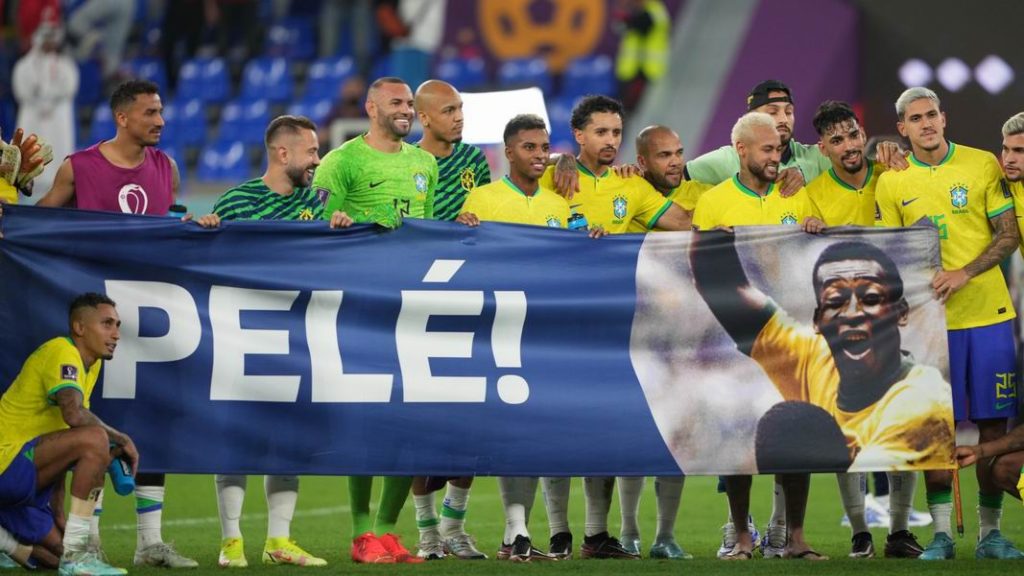
The narrative of football is written by its legendary icons. The era of Pelé brought samba magic and global warmth, while Diego Maradona injected raw passion and divine unpredictability.
In the modern era, the legendary rivalry between Lionel Messi and Cristiano Ronaldo redefined human limits, splitting the internet into passionate camps for nearly two decades. Now, as the torch passes to a thrilling new generation featuring Erling Haaland, Kylian Mbappé, and Jude Bellingham, the digital-native Gen Z audience experiences football through viral TikTok edits, instant analytical tweets, and immersive gaming. These athletes are no longer just sports stars; they are global cultural icons influencing fashion, lifestyle, and philanthropy.
Activating World Football Day: How You Can Participate
World Football Day shouldn’t just be viewed passively through a screen. It demands active celebration. Here is how you can honor the sport today:
- Ditch the Screen, Hit the Pitch: Gather your friends, colleagues, or family members and head to the nearest park or turf for a friendly match.
- Support Grassroots and Local Clubs: True football thrives in local communities. Attend a local amateur match or donate to youth sports academies that help underprivileged kids access proper gear.
- Share Your Ultimate Football Story: Use your social platforms to share a memory of a match that made you cry, a goal that made you scream, or a picture of your very first jersey.

Conclusion
Football is the beautiful game because it reminds us of our shared humanity. It proves that despite our diverse backgrounds, we can all find common ground within the boundaries of a pitch. On this World Football Day 2026, let us celebrate the goals, the heartbreaks, the historic triumphs, and the quiet moments of camaraderie that this magnificent sport gifts us every single day.
Happy World Football Day to all the readers of GenZ Mirror! Keep the ball rolling, keep dreaming big, and let the passion echo across the world.