
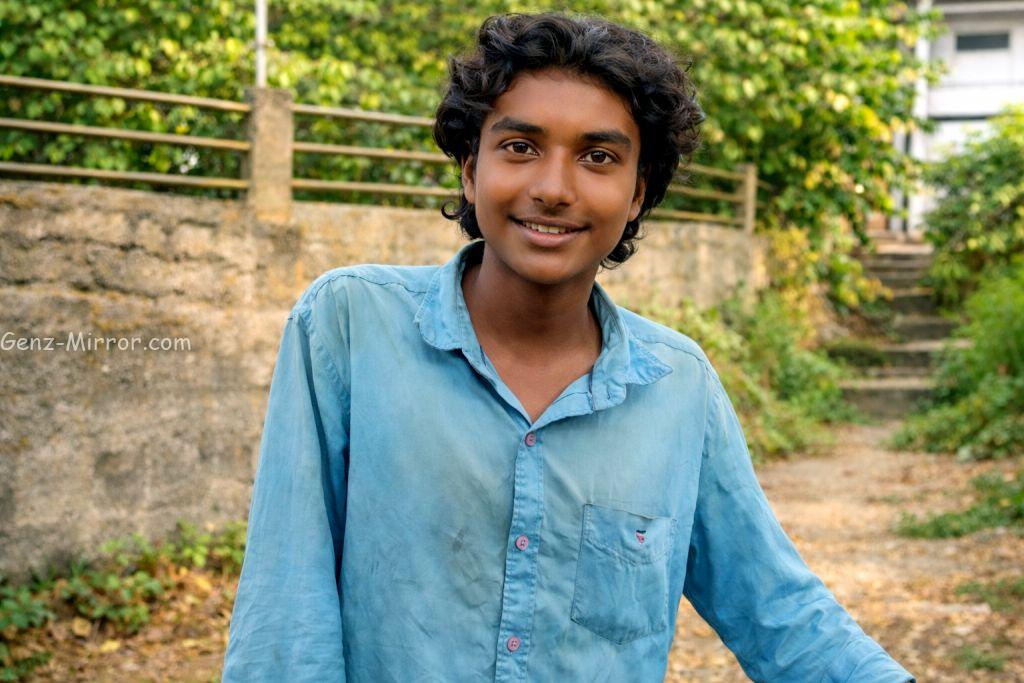
The Boy in the Lone Uniform: The Untold Struggle of an Inspiring Kerala Teen
About Inspiring Kerala Teen …
This blog post uncovers the bittersweet reality of Asif, a 16-year-old boy from Ernakulam, Kerala, who sells lottery tickets beneath the Muttom Metro Station ( Inspiring Kerala Teen ) . Once a viral sensation on social media, Asif’s relentless hard work to support his bedridden father and five-member family moved thousands. However, behind the digital fame lies a tragic loop of exploitation, unresolved financial misery, and psychological trauma. This article goes beyond the viral surface, shedding light on how a young boy’s innocence is being compromised by vultures, while urging the global community to step in with structured, genuine support to salvage his stolen childhood and education.
Introduction: The Face Beneath the Metro Pillars
If you ever travel along the Kochi Metro route in Ernakulam, Kerala, and disembark at the Muttom Metro Station, your eyes might fall upon a stark, heartbreaking contrast. High above, sleek, modern automated trains represent the pinnacle of technological advancement and urban luxury. Down below, on the dusty concrete pavement beneath the massive pillars, stands sixteen-year-old Asif. Clad in a faded, worn-out school uniform—the only clothes he owns—he clutches a bundle of Kerala Government lottery tickets. For thousands of daily commuters, he is a familiar sight. For social media algorithms, he was a viral sensation. But for his family, this inspiring Kerala teen is the solitary wall standing between survival and absolute starvation.
Asif’s story is not just one of financial poverty; it is a profound narrative of innocence lost, filial duty, and the dark underbelly of digital fame. While the world glances at him through smartphone screens, praising his resilience, the reality on the ground tells a much more distressing tale.
The Sudden Shattering of a Childhood
To understand the depth of Asif’s ocean of sorrow, one must look back three years. At thirteen, Asif was a bright, energetic boy studying at St. John’s School in Aluva. Like any ordinary teenager, his worries were limited to school exams and playground matches. His father was a hardworking lottery vendor who managed to provide a modest but happy life for his five-member family.
Everything changed in a horrific flash on the National Highway. A devastating road accident left Asif’s father with severe spinal cord injuries, permanently paralyzing him from the waist down. Medical experts delivered a grim verdict: the damage to the spine was irreversible, and no further treatment could restore his mobility. He was relegated to a bed, helpless and in constant pain.
Overnight, the sole financial pillar of the house crumbled. As the days rolled on, hunger knocked loudly at their door. With zero income and rising medical expenses, the family faced imminent starvation. Seeing his mother’s tears and his siblings’ empty plates, thirteen-year-old Asif made a choice that no child should ever have to make. Unable to balance the intense demands of daily labor and academics, he dropped out of school in the seventh grade. He stepped out of the classroom, walked straight onto the unforgiving streets, and took over his father’s lottery business.
The Double-Edged Sword of Social Media Fame
Living in a high-tech state like Kerala, it did not take long for commuters to notice a young boy in a school uniform selling lotteries rather than attending classes. Photos and videos of Asif quickly flooded Instagram and Facebook. Millions of users shared his clip, labeling him a “symbol of grit” and an “inspiring Kerala teen.” For more insights into how grassroots stories impact digital spaces, you can explore public discussions on global platforms via the BBC World News archive, which frequently documents the intersection of poverty and viral culture in South Asia.
Initially, the viral wave brought hope. Moved by his dedication, many kind-hearted locals and travelers stopped by Muttom to buy tickets from him, often refusing to take back the change. On paper, it looked like a heartwarming victory achieved through internet solidarity. In reality, it marked the beginning of a different kind of nightmare for Asif.
Exploitation of Innocence in the Digital Age
Asif possesses an extreme lack of worldly experience. He is, at his core, a child who should be learning algebra, not negotiating the harsh dynamics of street survival. While social media brought financial donations and material aid from well-wishers across the globe, very little of that assistance ever reached his paralyzed father or his starving family.
Because of his innocence and vulnerability, Asif became an easy target for local vultures. A group of opportunistic individuals gradually surrounded the boy under the guise of protecting or helping him. Instead, they began embezzling the financial aid given to him by generous passersby. The money meant for his father’s medicines and his siblings’ school fees was systematically stripped away by those exploiting his helplessness.
This cruel betrayal has left deep psychological scars on the young boy. He carries an immense burden of mental trauma, knowing he is working day and night, yet unable to lift his family out of the trap of poverty because his earnings are hijacked by others.
The Symbolism of the Lone Uniform
Perhaps the most visually poignant and heartbreaking aspect of Asif’s daily life is his clothing. Years after dropping out of St. John’s School, he still wears the exact same school uniform he wore on his last day as a student. It is dirty, frayed, and completely unsuited for the changing weather, yet he wears it every single day because he simply does not have another set of clothes to change into.
This uniform has become a tragic symbol. To the superficial observer, it looks like a marketing gimmick to evoke sympathy. But to those who know his truth, it represents a frozen childhood. It is a physical manifestation of a boy who is psychologically trapped in the year he was forced to grow up. It reflects a thirteen-year-old’s grief-stricken soul trapped inside the body of a struggling sixteen-year-old. He stands in the bustling area of Muttom, looking primitive and neglected, practically begging people to buy a ticket so his family can eat a single meal.
A Universal Call to Action
Asif’s story demands a shift in how we perceive viral charity. True empowerment does not lie in taking a selfie with a struggling child, uploading it with an inspirational caption, and walking away. It lies in systemic rehabilitation. Asif does not just need people to buy a single lottery ticket; he needs structural protection from exploiters, legal assistance, proper clothing, medical aid for his paralyzed father, and a path back to literacy.
International human rights organizations emphasize that child welfare requires community vigilance. To understand global standards on child protection and how youth dropouts can be effectively rehabilitated, readers can review guidelines provided by UNICEF International, which works extensively to prevent the economic exploitation of minors worldwide.
20x Hashtags: #AsifStory #KeralaHero #MuttomMetro #Ernakulam #InspiringKeralaTeen #GenZMirror #RealLifeHero #OvercomingPoverty #HumanityFirst #ChildhoodStolen #ViralKerala #SocialMediaImpact #StandWithAsif #PovertySurvival #Aluva #KeralaLottery #Inspiration #YouthEmpowerment #TrueStory #GlobalAwareness #Inspiring Kerala Teen
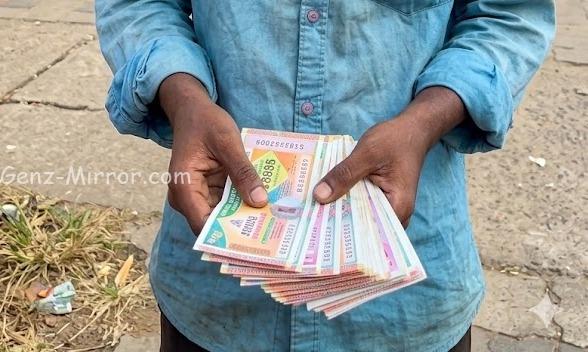
Muttom Metro Station lottery boy Asif Ernakulam viral story Child labor vs survival India Kerala youth struggle social media GenZ Mirror real life heroes
Conclusion: Let the World Wake Up
GenZ Mirror brings this story to the global stage because Asif’s voice has been muffled by the very crowd that claims to celebrate him. His life is a loud reminder that behind every “inspiring” viral story of survival, there is often a systemic failure that requires urgent attention.
The next time you share a post about a young hero fighting poverty, ask yourself: are we helping them, or are we just consuming their struggle as entertainment? Let us look past the digital screen, expose the exploiters surrounding Asif, and ensure that this brave young boy from Aluva finally gets the genuine, uncorrupted help he deserves. Share this story worldwide—not to celebrate his poverty, but to demand his deliverance.